Preparing for Election Day 2026: Essential Strategies and Best Practices
The year 2026 brings a vital electoral landscape defined by midterm congressional races, statewide executive contests, and numerous local ordinances and ballot measures. Midterm elections historically serve as an inflection point for legislative power, shaping federal policy trajectories and state governance. Understanding this broader context helps voters recognize why local participation carries national significance. Beyond federal contests, municipal elections decide funding for public schools, zoning laws, infrastructure development, and taxation policies that directly impact daily life in communities across the country.
Local election administration forms the backbone of this democratic process. County clerks, municipal registrars, and bipartisan boards work year-round to maintain voter databases, recruit poll workers, and secure voting facilities under strict statutory guidelines. To engage effectively, citizens should adopt proactive administrative habits early in the cycle, such as verifying registration status, reviewing sample ballots, and marking key calendar dates. Treating participation as an organized process reduces Election Day stress and ensures your voice is registered.

Understanding the 2026 Electoral Landscape
The structural components of the 2026 election cycle span federal, state, and local jurisdictions, each operating under distinct legal frameworks. Midterm elections provide voters with an opportunity to evaluate congressional performance and legislative direction. Simultaneously, gubernatorial races and state legislative elections determine policy priorities in education, healthcare, and economic development. Recognizing these multi-tiered contests encourages a holistic view of civic responsibility rather than focusing solely on top-tier national races.
Administrative responsibility rests primarily with local election offices, which handle everything from establishing precinct boundaries to purchasing secure voting hardware. These agencies function under rigorous state and federal oversight designed to safeguard election integrity. Understanding how local boards operate demystifies the voting process and highlights the importance of municipal government. When citizens understand the planning involved in running an election, they can better appreciate the dedication required from election administrators and poll workers.
Engaging with this landscape requires early preparation and sustained attention. Citizens should consult official municipal schedules to learn about candidate filing deadlines, town hall debates, and local referendum dates. By establishing an organized personal timeline, voters ensure they remain informed and ready to participate when voting windows officially open.
Voter Registration and Eligibility Best Practices
Verifying voter registration status is the critical preliminary step for any election. Millions of eligible voters encounter hurdles on Election Day simply because they moved, changed their legal name, or were reclassified as inactive due to infrequent participation. State election offices maintain centralized voter rolls that require periodic updating. Voters should check their registration record months in advance to confirm that their residential address matches the precinct where they intend to cast a ballot, preventing administrative complications at the polling station.
Eligibility requirements and registration procedures vary significantly across jurisdictions, making it essential to consult local laws. Some states offer same-day registration, allowing citizens to register and vote during early voting periods or directly on Election Day, provided they present approved proof of residence and identification. Other states enforce strict advance registration deadlines, cutting off new enrollments weeks before the election. Furthermore, identification requirements differ widely, ranging from strict photo identification mandates to options involving utility bills or bank statements. Knowing these exact parameters prevents unpleasant surprises.
Actionable measures for registration hygiene include using official state portals to update contact information immediately following relocation. If registering by mail or in person, individuals must ensure all mandatory fields are completed legibly and submitted ahead of deadlines. Voters should also familiarize themselves with acceptable forms of identification in their specific state and gather those documents in advance, placing them alongside other essential items needed for Election Day.
Navigating Early Voting and Mail-in Ballots
Alternative voting methods, including in-person early voting and mail-in ballots, have transformed modern elections by expanding access and reducing congestion on Election Day. These options provide vital flexibility for individuals with rigid work schedules, caregiving responsibilities, mobility challenges, or upcoming travel. Understanding the mechanics of alternative voting ensures that more citizens can participate without compromising security or validity. Each state establishes specific windows for when early voting stations open and when mail-in ballots must be requested, mailed, or dropped off.
When utilizing mail-in voting, adherence to strict procedural guidelines is mandatory. Even minor administrative errors can result in a ballot being challenged or rejected during canvassing. Voters must follow specific instructions regarding ballot secrecy envelopes, signature verification, and witness requirements where applicable.
- Verify all signature and witness requirements on the ballot return envelope to ensure validity.
- Track the delivery and receipt status of your mail-in ballot using official state election portal tools.
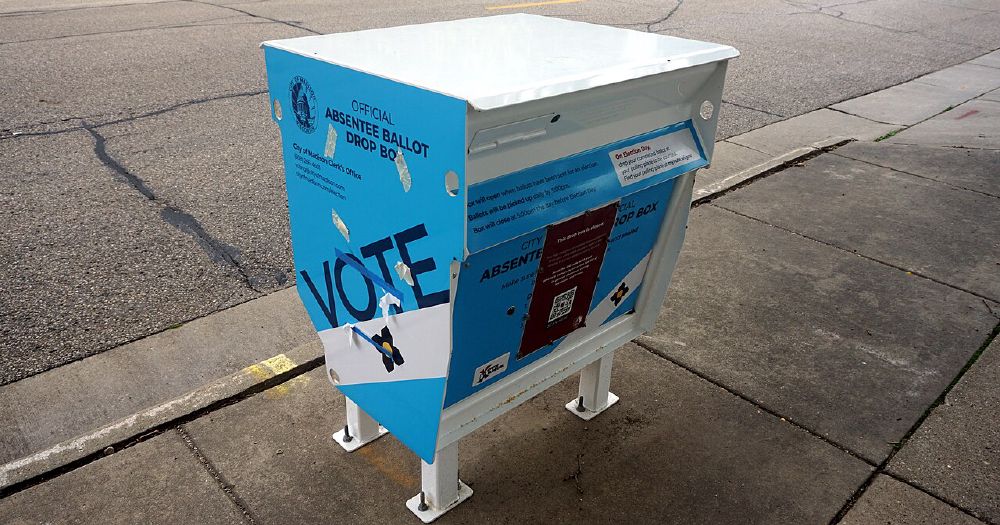
- Deposit completed ballots exclusively at official secure drop boxes or authorized local election offices rather than unverified locations.
Deadlines govern every stage of the mail-in process. Voters must account for postal transit times when mailing ballots back to election offices, noting whether their state requires the ballot to be postmarked by Election Day or physically received by that date. To eliminate postal delays, many voters prefer using secure official drop boxes located at municipal buildings or designated public sites, which offer a direct chain of custody to election officials.
Polling Place Operations and Voter Rights
Stepping into a physical polling place on Election Day reveals a structured environment designed to protect the integrity and privacy of every vote. Polling locations are typically staffed by bipartisan teams of trained election workers who guide voters through check-in, ballot issuance, and machine operation. Voting equipment undergoes rigorous logic and accuracy testing before the polls open to ensure that votes are recorded and tabulated correctly. Physical barriers, privacy booths, and strict regulations regarding electioneering distances around polling places maintain an orderly, neutral atmosphere.
Federal and state laws establish robust protections to guarantee that every eligible voter can cast a ballot safely and free from intimidation. Accessibility requirements mandate that polling places provide accommodations for voters with disabilities, including wheelchair ramps, adjustable voting machines, and audio ballots. Additionally, voters who require language assistance or translation support have legal rights under the Voting Rights Act in designated jurisdictions. If a voter's registration status is questioned at the polling place, they are generally entitled to cast a provisional ballot, which is later investigated and counted once eligibility is verified.
Citizens should prepare for their in-person voting experience by reviewing precinct location changes and peak traffic hours. Morning and late afternoon hours often experience the highest volume of voters. If lines are long, maintaining patience and cooperation with poll workers ensures a smoother experience for everyone. Voters who experience harassment, technical denial of rights, or administrative obstruction should document the incident and report it immediately to local election authorities or nonpartisan voter protection hotlines.
Researching Candidates and Ballot Measures
Casting an informed ballot requires looking beyond party labels and campaign rhetoric to evaluate candidates and ballot measures objectively. Voters can build a comprehensive understanding of candidates by examining their legislative voting records, public policy proposals, past administrative performance, and statements on key issues. Nonpartisan voter guides, municipal candidate forums, and civic publications offer balanced breakdowns of competing platforms. Evaluating candidates on concrete criteria rather than generalized promises helps ensure that elected officials are held accountable for substantive policy outcomes.
Ballot measures, referendums, and constitutional amendments present a distinct informational challenge because they condense complex legal and fiscal questions into concise ballot summaries. Understanding these propositions requires reading official state or municipal explanatory statements, fiscal impact analyses, and arguments from both supporting and opposing committees. These measures often address significant policy shifts, tax restructuring, or bond authorizations that carry long-term economic and social consequences for the community.
An effective research strategy involves creating a personal voting cheat sheet or sample ballot annotation before heading to the polls. Voters should dedicate time in the weeks preceding Election Day to review each office and measure methodically. By researching down-ballot races—such as county commissioners, school board members, and judicial retention elections—voters exercise influence over the local institutions that frequently exert the most direct control over daily community welfare.
Digital Security and Disinformation Awareness
The modern information ecosystem introduces unique vulnerabilities during election season, particularly regarding the spread of digital disinformation and unverified claims about voting procedures. Malicious actors and automated accounts often attempt to sow confusion, discourage turnout, or undermine public trust in election integrity by circulating false information about polling times, ID requirements, or tabulation accuracy. Developing robust digital literacy and information hygiene is therefore an essential component of modern civic responsibility.
Protecting the democratic process from digital interference relies on both individual vigilance and institutional safeguards. Voters should cultivate critical evaluation habits when encountering election-related content online, particularly dramatic or sensational claims shared on social media.
- Cross-reference any surprising news about voting rules or polling place closures directly with official state or local election board websites.
- Maintain skepticism toward viral posts that lack verifiable sourcing, official attribution, or context from established journalistic outlets.
- Report coordinated disinformation campaigns or fraudulent voting instructions to platform moderators and state election integrity units.
Beneath the surface of public discourse, physical and digital safeguards protect the actual voting infrastructure. Modern voting machines operate on air-gapped systems that are entirely disconnected from the internet, preventing remote cyber intrusions. Furthermore, paper ballot systems provide a physical audit trail that allows election officials to verify electronic vote tallies through rigorous manual audits, ensuring that any discrepancies can be identified and corrected before final certification.
Post-Election Processing and Results Certification
Understanding what happens after the polls close helps demystify the timeline of election results and reinforces patience during the tabulation phase. On election night, news media outlets report unofficial returns based on early reporting units and mail-in ballots processed up to that point. However, these figures are strictly preliminary. Election night reporting does not constitute an official result; rather, it represents a running tally that helps provide a general picture of voter sentiment while exhaustive administrative procedures get underway.
The official certification process requires rigorous, systematic checks by local and state canvassing boards. In the days following Election Day, election workers process remaining provisional ballots, cure eligible mail-in ballot discrepancies, and reconcile total voter check-ins with actual ballot counts. Bipartisan audit teams conduct post-election checks, such as risk-limiting audits or manual hand recounts of randomly sampled precincts, to mathematically verify the accuracy of optical scanners and electronic tabulation machines. This multi-layered verification process ensures every legal vote is accurately accounted for.
Citizens can best support the democratic system post-election by maintaining realistic expectations about processing timelines. Thoroughness and accuracy take precedence over speed in professional election administration. Recognizing that careful verification requires days or weeks of meticulous work helps insulate communities from panic or premature conclusions, reinforcing confidence in the ultimate certification of lawful electoral outcomes.
Election Day stands as a vital manifestation of civic duty, requiring coordination, preparation, and mutual respect among voters, administrators, and community leaders. By embracing best practices such as early registration verification, careful ballot research, and critical information hygiene, citizens empower themselves to participate meaningfully in shaping their governance. True civic engagement extends well beyond casting a single vote, encompassing a year-round commitment to community involvement, support for local democratic institutions, and an ongoing dedication to an informed and resilient society.