Navigating Facial Aesthetics: Avoiding Common Cosmetic Mistakes
Public fascination with the appearance of high-profile actors like Jennifer Lawrence often highlights broader cultural conversations about aging, beauty standards, and natural evolution. As public figures navigate the public eye across different life stages, observers frequently speculate about subtle shifts in facial contours, skin texture, and overall structure. These discussions frequently overlook the natural impacts of aging, weight fluctuations, and professional makeup artistry, jumping straight to conclusions about cosmetic interventions. When individuals look to public icons for aesthetic inspiration, they often misunderstand the complex interplay between professional treatments, genetics, and time.
Translating admiration for a celebrity aesthetic into personal cosmetic decisions requires careful navigation, education, and an understanding of physiological limits. The modern aesthetic landscape of 2026 emphasizes subtle preservation and proportional harmony over drastic transformations, yet many patients still fall prey to well-documented pitfalls. Recognizing common cosmetic mistakes—such as chasing short-lived trends, ignoring unique anatomical foundations, and succumbing to over-correction—is essential for anyone considering professional aesthetic guidance. By examining these missteps and learning how to avoid them, individuals can pursue enhancement safely while maintaining authenticity and long-term facial health.

Chasing Transient Trends Over Timeless Proportion
One of the most frequent missteps in aesthetic enhancement is the urge to replicate micro-trends popularized on social media or associated with specific celebrities at a single point in time. Aesthetic standards shift rapidly, but the structural foundations of an individual face remain relatively permanent. When patients request treatments designed to mimic a temporary trend—such as exaggerated jawline etching or hyper-defined cheekbones—they often compromise their unique facial balance. A trend that appears striking in digital photography or under specialized lighting may look disjointed and unnatural in everyday life and dynamic movement.
Avoiding this pitfall requires shifting the focus from external fashion to classical principles of proportion and individual anatomy. Skilled practitioners evaluate facial thirds, symmetry, and bone structure rather than applying a universal template. By prioritizing timeless harmony over fleeting fads, patients ensure that their enhancements age gracefully alongside them. Understanding that an aesthetic choice should look appropriate across all decades of life protects individuals from undergoing invasive or injectable procedures that they may regret once the current trend subsides.
To safeguard against trend-driven decision-making, consider the following evaluation steps during your planning phase:
- Review photographs of yourself from ten years ago to identify enduring facial traits versus temporary fluctuations.
- Discuss long-term maintenance requirements with a professional before committing to structural procedures.
- Prioritize conservative enhancements that enhance natural features rather than completely altering them.
Over-Correction and the Loss of Natural Movement
Another critical error in cosmetic enhancement is over-correction, which frequently leads to a frozen appearance or a loss of natural facial expressiveness. The human face communicates emotion through a delicate interplay of dozens of superficial muscles. When neurotoxins or dermal fillers are applied excessively or incorrectly, they can restrict normal movement, resulting in a stiff or expressionless visage. Public figures are often scrutinized for these exact signs, demonstrating how visible over-treatment can disrupt the natural harmony that makes human interaction engaging and authentic.
Preventing over-correction involves adopting a philosophy of minimalism and progressive staging. Rather than attempting to eliminate every fine line or hollow space in a single appointment, conservative practitioners favor a gradual approach. This method allows the injector to assess how the product integrates into the tissue and how the musculature adapts over time. Patients must recognize that minor asymmetries and natural lines are normal components of an expressive face. Preserving facial mobility ensures that enhancements look harmonious both at rest and during active emotional expression.
Education regarding product behavior is equally vital for avoiding this mistake. Different hyaluronic acid fillers and neuromodulators possess varying densities, viscosities, and diffusion rates. An experienced provider selects specific products tailored to the exact depth and movement of the target tissue area. By understanding the mechanical properties of these substances, patients can collaborate with their practitioners to achieve effective softening without sacrificing functional dynamism or personal character.
Ignoring Underlying Bone Structure and Anatomy
A common misconception in aesthetic planning is the belief that a specific treatment or feature will yield identical results regardless of the recipient's underlying bone structure. When individuals bring photographs of celebrities like Jennifer Lawrence to a clinic, they often overlook the fact that facial shapes differ fundamentally. A high cheekbone structure, a strong mandibular angle, or a narrow midface dictates how soft tissue drapes and how fillers or surgical interventions will ultimately settle. Ignoring these biological constraints often leads to disproportionate results that clash with the patient's natural architecture.
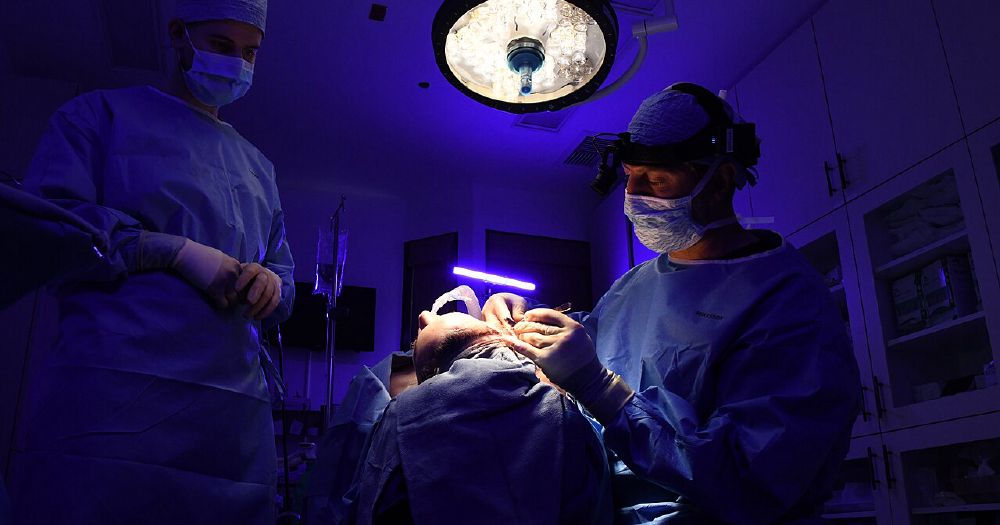
To avoid structural mismatch, comprehensive anatomical analysis must precede any procedural commitment. Practitioners utilize imaging technology and physical palpation to map vascular pathways, fat pad distributions, and skeletal support systems. If a desired outcome requires structural support that the underlying bone cannot naturally provide, forcing the issue with excessive volume replacement can create a distorted or heavy appearance. Respecting the intrinsic blueprint of the face allows for customized enhancements that complement, rather than fight against, natural anatomy.
Patients should also educate themselves on the concept of facial aging vectors. As bone resorption occurs naturally with age, support systems diminish unevenly across different zones. Treating a specific wrinkle without addressing the underlying structural collapse is like trying to fix a sagging roof without reinforcing the foundation. Understanding these anatomical realities helps individuals make informed choices that prioritize structural integrity over superficial surface fixes.
Skipping Comprehensive Anatomical Consultations
Rushing into procedures without a thorough, multi-stage consultation process remains a primary driver of unsatisfactory aesthetic outcomes. A superficial or rushed appointment often fails to uncover critical medical history, skin elasticity levels, or unrealistic psychological expectations. High-stakes aesthetic decisions demand a meticulous assessment conducted by a qualified, board-certified professional who values patient education and transparent communication. Skipping this foundational step exposes individuals to avoidable risks, including vascular occlusion, infection, or aesthetic regret.
A rigorous consultation involves a detailed medical intake, discussion of lifestyle factors, and an open dialogue regarding potential limitations. During this session, the practitioner should clearly explain the mechanism of action for proposed treatments, expected longevity, and potential adverse effects. Patients should treat the consultation as an interview, actively evaluating the provider's aesthetic philosophy and commitment to safety. Red flags include guaranteed outcomes, pressure to book immediately, or a reluctance to discuss potential complications.
To ensure a comprehensive evaluation, keep these guidelines in mind during your search for a qualified provider:
- Verify board certification in relevant specialties such as dermatology or plastic surgery.
- Request before-and-after portfolios showcasing patients with similar age brackets and anatomical profiles.
- Ensure the facility maintains accredited safety protocols and emergency response preparedness.
Falling Into the Over-Filling Cycle
The phenomenon known colloquially as pillow face or over-filling represents a severe pitfall in long-term aesthetic maintenance. This occurs when repeated applications of dermal filler accumulate over time, expanding the facial tissues beyond their natural boundaries and obscuring underlying definition. Patients often fail to realize that certain fillers metabolize more slowly than previously thought, leading to persistent volume retention. When additional product is continually layered onto existing filler without adequate dissipation or dissolving, the face loses its natural contours and takes on a puffy, distorted appearance.
Breaking or avoiding this cycle requires strict adherence to maintenance intervals and the willingness to dissolve older product when necessary. Modern ultrasound imaging in aesthetic clinics now allows practitioners to visualize existing filler deposits beneath the skin before adding new material. By monitoring tissue volume objectively, providers can prevent the gradual accumulation that distorts facial proportions. Patients must understand that less is almost always more when dealing with permanent or semi-permanent soft tissue augmentation.
Educating oneself on product metabolism and tissue stretching is an essential preventative measure. Skin and subcutaneous tissues have elastic limits; stretching them beyond capacity can lead to permanent laxity, creating a dependency on continuous filling just to maintain a baseline appearance. By pacing treatments conservatively and allowing tissues to rest, individuals preserve their skin elasticity and avoid the downward spiral of structural distortion.
Disregarding the Role of Skin Health and Non-Invasive Maintenance
Many individuals hyper-focus on structural alterations—such as volume replacement or surgical lifting—while completely neglecting the fundamental quality and health of the skin barrier. A glowing, resilient complexion with even texture and pigmentation often communicates youth and vitality more effectively than tautness or volume alone. Celebrities frequently maintain their appearance not merely through invasive procedures, but through rigorous daily skincare regimens, targeted clinical lasers, chemical peels, and regenerative medicine therapies that optimize skin cell turnover.
Shifting focus toward skin health offers a safer, more sustainable pathway to aesthetic refreshment. Non-invasive modalities work by stimulating the body's natural collagen production and cellular repair mechanisms rather than introducing foreign substances or altering structural geometry. Treatments such as micro-needling, radiofrequency skin tightening, and medical-grade topical formulations improve dermal density and radiance without the risks associated with surgical downtime or injectable over-correction.
To build a balanced regimen that prioritizes skin health, incorporate these foundational practices:
- Prioritize daily broad-spectrum sun protection to prevent photo-aging and collagen degradation.
- Integrate evidence-based active ingredients, such as retinoids and antioxidants, under professional guidance.
- Utilize clinical resurfacing treatments periodically to enhance product penetration and skin texture.
Unrealistic Expectations and Psychological Readiness
Perhaps the most profound yet overlooked risk in aesthetic medicine involves psychological readiness and the management of personal expectations. Cosmetic procedures can enhance physical features, but they cannot alter self-esteem, resolve underlying emotional distress, or change external life circumstances. When patients seek out procedures hoping that looking like a specific icon will cure personal insecurities or social anxieties, disappointment is almost guaranteed. High-profile individuals often speak openly about the emotional toll of aesthetic scrutiny, reminding the public that external perfection does not equate to psychological well-being.
Assessing psychological readiness requires honest self-reflection before booking any clinical appointment. A mature approach acknowledges that aesthetic enhancements offer subtle, physical improvements rather than a total metamorphosis of identity. Ethical practitioners actively screen patients for body dysmorphic tendencies or unrealistic demands, refusing treatment when psychological motivations appear misaligned with medical reality. Taking time to address emotional well-being independently ensures that cosmetic choices stem from a place of healthy self-care rather than external pressure.
Patients should also maintain realistic timelines regarding results. Swelling, bruising, and settling periods are standard parts of any healing process, and immediate perfection is rare. By aligning mental expectations with the physiological realities of recovery, individuals reduce anxiety and foster a positive, empowering experience throughout their aesthetic journey.
Navigating the world of aesthetic enhancements requires a blend of anatomical awareness, conservative planning, and psychological mindfulness. By learning from common pitfalls—such as chasing transient trends, over-correcting natural movement, ignoring structural foundations, and neglecting overall skin health—individuals can make informed, safe decisions. Whether inspired by the natural evolution of public figures like Jennifer Lawrence or driven by personal wellness goals, the key to successful aesthetic maintenance lies in preserving individual authenticity, prioritizing health, and partnering with qualified professionals who champion balanced, sustainable beauty.