Navigating Cascade Winter Weather Advisories: A Decision-Maker's Checklist
Winter storms across the Cascade Range present complex operational challenges for businesses, logistics providers, and property managers in the Pacific Northwest. When the National Weather Service issues a winter weather advisory, it signals that accumulating snow, blowing snow, or hazardous driving conditions are imminent, requiring immediate adjustments to routines and supply chains. Navigating these events successfully demands more than reactive responses; it requires a structured checklist addressing equipment readiness, infrastructure protection, personnel safety, and operational continuity. As winter weather patterns evolve through 2026, organizations must refine their preparedness frameworks to minimize disruptions and maintain safety across high-elevation routes and mountain pass corridors.
This checklist serves as a practical guide for operational leaders assessing readiness before, during, and after a Cascade winter weather advisory. Furthermore, regional supply networks and utility grids depend heavily on uninterrupted transportation corridors, magnifying the stakes for operational leaders. By breaking down critical preparedness categories into actionable steps, decision-makers can systematically evaluate preparedness levels, identify vulnerabilities, and implement effective mitigation strategies. Whether managing delivery fleets traversing Snoqualmie Pass, overseeing commercial real estate properties susceptible to heavy snow loads, or coordinating regional freight movements, utilizing a standardized evaluation framework ensures operations remain resilient against severe winter weather events.
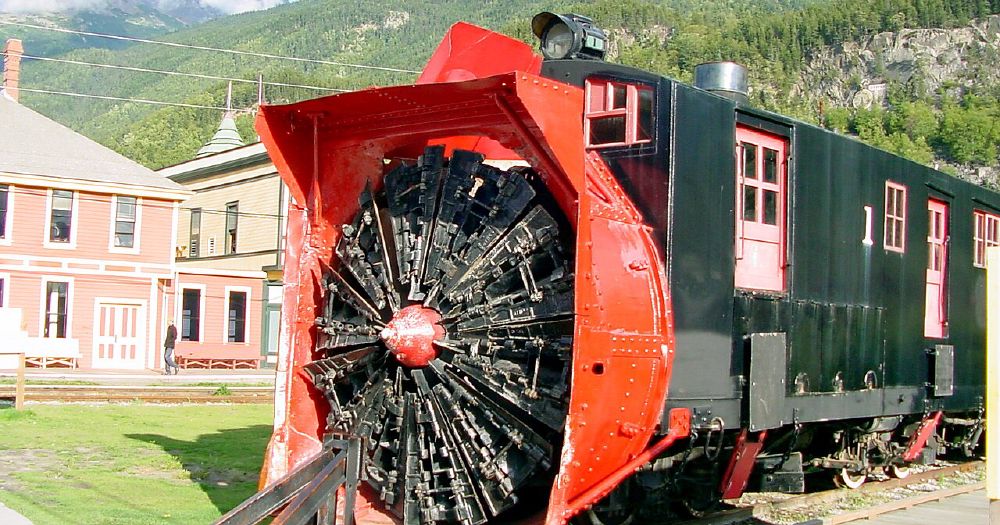
Understanding Cascade Weather Patterns and Advisory Triggers
A winter weather advisory is issued when hazardous winter conditions are expected to cause significant inconveniences and, if caution is not exercised, potentially dangerous situations. In the Cascade Range, advisories are typically triggered by specific meteorological thresholds, such as snow accumulations of four to eight inches within 24 hours, combined with gusty winds creating low visibility and drifting. Unlike blizzard warnings, an advisory serves as formal notice that conditions will deteriorate rapidly over mountain passes like Stevens, Snoqualmie, and White Pass. Decision-makers must understand that regional microclimates heavily influence these events, meaning high-elevation conditions can shift dramatically from valley weather. Local jurisdictions and emergency management agencies rely on these advisories to coordinate road maintenance schedules and issue timely public warnings.
The geography of the Cascades creates unique forecasting challenges due to steep elevation gradients and maritime moisture funnels off the Pacific Ocean. When cold interior air masses collide with moist coastal systems, heavy precipitation ensues, rapidly changing from rain to snow with elevation. Recognizing specific advisory triggers allows logistics and facility managers to mobilize early rather than scrambling after roads face restrictions. State transportation departments enforce progressive tier-based traction requirements during these events, ranging from mandatory snow tires to chained commercial vehicles. Reviewing historical patterns and monitoring real-time meteorological data helps decision-makers anticipate transportation bottlenecks.

Evaluating Fleet and Vehicle Readiness for Mountain Passes
Commercial fleets and service vehicles operating in the Cascade Range require specialized preparation to comply with state transportation mandates and ensure driver safety. Maintenance teams must conduct comprehensive pre-storm inspections focusing on systems susceptible to cold-weather failure, including batteries, brakes, wipers, and heating elements. Fluid levels must be verified, utilizing winter-grade washer solvent and integrating diesel fuel anti-gel additives during freezing temperatures. Neglecting routine mechanical checks prior to an advisory frequently leads to costly roadside breakdowns in remote mountain environments.
Beyond general mechanical fitness, compliance with mountain pass tire and traction regulations is essential. State transportation departments enforce strict rules regarding snow tires, winter tread depths, and approved tire chains or alternative traction devices. Decision-makers should maintain an inventory of properly sized chains for every fleet vehicle, along with installation tools and personal protective gear. Essential fleet readiness steps include:
- Verifying minimum tread depth requirements and inspecting winter tires for cracking or wear.
- Ensuring all drivers are certified in safe, efficient tire chain installation procedures.
- Testing block heaters, auxiliary power units, and onboard emergency kits including flashlights and blankets.
- Inspecting defrosters, mirrors, and lighting systems to guarantee maximum visibility during snowfall.
Establishing clear protocols for when and where vehicles must deploy traction devices prevents regulatory fines and reduces sliding risks. Dispatchers and fleet managers should communicate continuously with drivers, tracking weather radar and highway camera feeds to ensure vehicles do not enter advisory zones unprepared. Proactive staging of maintenance support or contracting local towing services for heavy commercial units further mitigates transit delays.
Facility and Property Infrastructure Protection
Commercial and industrial property managers overseeing facilities in the Cascade foothills face distinct vulnerabilities when heavy snow and freezing temperatures accompany winter weather advisories. Accumulating snow loads present significant structural risks, particularly for flat-roofed warehouses, distribution centers, and retail spaces. Property owners must calculate safe load limits and establish clear monitoring protocols for roof accumulation, factoring in the high density of wet snow common to the region. Proactive facility reviews help identify vulnerable architectural elements, drainage pathways, and potential ice dam formation zones before structural damage occurs. Documenting roof drainage performance during heavy storms also provides valuable benchmark data for future architectural modifications.
Protecting interior and exterior utility infrastructure from freezing temperatures is equally vital to business continuity. Water supply lines running through unheated crawlspaces, exterior walls, or loading docks are highly susceptible to bursting when temperatures plunge. Decision-makers must verify that heat tracing is operational, insulation is intact, and emergency shut-off valves are accessible. Exterior walkways, loading ramps, and parking lots require pre-treatment plans utilizing eco-friendly de-icing agents to prevent ice sheets from forming beneath snow layers, reducing slip-and-fall liability.
Power reliability represents another critical concern during severe Cascade weather, as heavy snow and wind frequently disrupt transmission lines in forested passes. Facilities reliant on continuous operations should inspect backup generators, test transfer switches, and ensure fuel supplies are secured in advance. Establishing emergency shutdown and restart procedures protects sensitive equipment from power surge damage.
Supply Chain and Inventory Contingency Planning
Regional supply chains intersecting the Cascade Range are uniquely vulnerable to disruptions caused by winter weather advisories, pass closures, and mandatory commercial vehicle restrictions. When major arteries like Interstate 90 over Snoqualmie Pass or U.S. Route 2 over Stevens Pass experience delays, freight movement between eastern and western regions grinds to a halt. Decision-makers must evaluate inventory buffers, lead times, and shipping schedules to absorb transit delays lasting hours or days. Collaborating closely with freight carriers and third-party logistics providers allows businesses to anticipate bottlenecks before advisories escalate into full closures.
Developing contingency plans involves identifying alternative transportation routes, though options through the Cascades are inherently limited by geography. When primary routes face restrictions, southern alternatives or maritime paths may be considered depending on cargo type. Maintaining strategic safety stocks of critical raw materials or high-demand goods within local distribution centers prevents stockouts during prolonged storm cycles. Reviewing supplier contracts and service level agreements clarifies liability and communication expectations when winter weather forces carriers to delay deliveries.
Clear communication with customers and downstream partners is indispensable during an advisory. Establishing transparent notification protocols regarding potential delivery delays manages expectations and allows clients to adjust operational planning. By leveraging digital inventory tracking platforms and real-time transit visibility tools, supply chain managers provide accurate shipment updates, transforming weather uncertainty into manageable operational adjustments.
Personnel Safety, Scheduling, and Communication Protocols
Employee safety and welfare must remain the top priority during a Cascade winter weather advisory. Commuting across mountain passes or foothill communities during active snow events exposes workers to hazardous driving conditions, black ice, and unexpected road closures. Decision-makers should establish clear, equitable inclement weather policies outlining expectations for attendance, remote work eligibility, and delayed reporting times. When an advisory is issued, management should proactively communicate these policies, removing pressure on employees to undertake dangerous commutes when non-essential travel is discouraged.
For on-site personnel required to maintain continuous facility operations, employers must provide a safe work environment, including adequate on-site food, water, and resting facilities should workers become stranded. Establishing redundant communication channels, such as automated text alerts and check-in protocols, ensures management can account for all personnel and share safety updates in real time. Effective winter workforce management guidelines include:
- Defining clear criteria for facility closures, early dismissals, or shifts to remote operations.
- Providing comprehensive emergency contact trees and verifying current contact information.
- Supplying necessary personal protective equipment and cold-weather gear for outdoor tasks.
- Designating a central leadership team responsible for monitoring weather updates and disseminating official guidance.
Balancing operational continuity with employee safety requires continuous assessment as weather forecasts evolve. Decision-makers should avoid rigid adherence to standard schedules when localized road conditions deteriorate rapidly, empowering local managers to make safety-first decisions. Documenting post-storm reviews allows organizations to evaluate protocol effectiveness before future winter events.
Real-Time Monitoring and Data Integration Strategies
Navigating a Cascade winter weather advisory successfully relies on accurate, timely data collection and integration. Relying solely on general weather forecasts is insufficient for managing mountain pass operations, as conditions vary wildly across short distances and elevations. Decision-makers should integrate specialized monitoring tools into operational dashboards, including real-time weather radar, high-elevation meteorological stations, and official state department of transportation feeds. These platforms provide vital data on temperatures, precipitation rates, wind speeds, and road surface conditions, allowing teams to make informed decisions.
State transportation departments offer invaluable real-time resources, such as live traffic cameras, mountain pass travel reports, and commercial vehicle restriction updates. Integrating these feeds directly into dispatch software enables automated alerts when traction requirements change or pass wait times exceed thresholds. Additionally, establishing direct communication lines with regional highway patrols and weather forecasters provides nuanced context that raw data feeds lack. This proactive information-gathering network transforms weather monitoring into an active operational defense.
Establishing a centralized decision-making framework ensures collected data translates into cohesive responses across the organization. Designating a dedicated weather response team responsible for analyzing data feeds, interpreting advisory bulletins, and issuing internal directives eliminates confusion and siloed communication. Embedding real-time monitoring into daily operational habits helps organizations navigate Cascade weather advisories with confidence.
Preparing for a Cascade winter weather advisory requires a disciplined, multi-faceted approach addressing fleet readiness, infrastructure protection, supply chain resilience, personnel safety, and real-time data monitoring. By systematically reviewing and implementing this decision-maker's checklist throughout the 2026 winter season, organizations can effectively mitigate risks associated with severe mountain weather. Proactive planning transforms unpredictable winter storms from major operational disruptions into manageable events, safeguarding assets and human lives across the Pacific Northwest.