Honoring Ancestors: A Guide to Dia de los Muertos Traditions
Dia de los Muertos, or Day of the Dead, is a vibrant and deeply reflective cultural tradition observed primarily in Mexico and across global diaspora communities during the late autumn months. Rather than approaching mortality with fear or isolating grief in sorrow, this annual commemoration frames remembrance through a lens of celebration, continuity, and familial affection. Families gather between late October and early November to welcome back the souls of their departed loved ones, operating under the comforting belief that the boundary between the physical spirit world and the mortal realm dissolves temporarily during these special days. This ancient practice turns sorrow into active connection, ensuring that those who have passed away remain vital, cherished members of the household.
Navigating this complex tradition thoughtfully requires understanding its core philosophy, rich historical roots, and respectful everyday practices. Whether you are creating a personal memorial altar at home, participating in a public neighborhood procession, or seeking to deepen your broader cultural appreciation, approaching the holiday with awareness ensures meaningful and authentic engagement. This comprehensive guide outlines key concepts, structural best practices, and essential material elements to help you honor the legacy of ancestors with genuine respect, care, and historical context.

Understanding the Origins and Philosophy of the Holiday
The historical roots of Dia de los Muertos stretch back centuries, masterfully blending indigenous Mesoamerican rituals with European All Saints' and All Souls' Days introduced during the Spanish colonial period. Ancient Aztec, Nahua, and other Mesoamerican communities dedicated an entire month to Mictecacihuatl, the revered Lady of the Dead, viewing mortality not as a terrifying final termination of existence but rather as a natural, expected phase in an ongoing cosmological cycle. When these rich indigenous beliefs merged with Catholic liturgical practices following colonization, the traditional calendar shifted to align with November first and second, creating the contemporary holiday observed across modern societies today.
At the foundational heart of this cultural philosophy is the profound belief that forgetfulness is the true death of a person. By actively remembering family members, sharing their favorite lifetime stories, recounting their quirks, and preparing the specific foods they cherished while alive, the living keep their memory vibrant, warm, and present. This perspective completely transforms conventional mourning into an active, communal practice of love, emphasizing that the deep ties of family and affection endure long after physical life has concluded.
Furthermore, the holiday philosophy teaches that death is simply a transition rather than an absolute end. Families view the annual return of souls not as a haunting, but as a joyful family reunion that bridges generations. Understanding this foundational worldview helps participants move past superficial aesthetics and connect with the genuine emotional resonance of honoring those who came before them.
Creating a Meaningful Ofrenda at Home
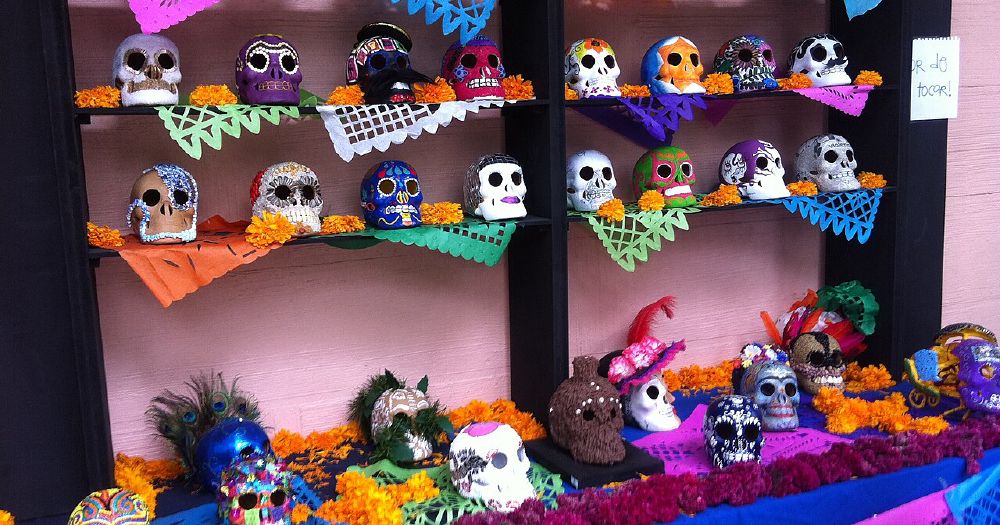
The undisputed centerpiece of Dia de los Muertos is the ofrenda, or altar, constructed meticulously in homes, community centers, schools, and public spaces to welcome returning spirits. Building an ofrenda is a deliberate, intentional process that involves setting up tiers or sturdy tables covered with brightly colored tablecloths, intricate papel picado, and cherished personal photographs. Each distinct level of the altar often represents different spiritual realms, cosmological tiers, or stages of existence, providing a welcoming, structured landing spot for weary souls traveling long distances from the afterlife.
When planning your home ofrenda, start by selecting a quiet, central location within your living space where family members can gather without constant disruption or heavy household traffic. Gather clear photographs of deceased relatives and ancestors, ensuring these images are clean, untorn, and respectfully displayed at eye level or on the upper tiers. It is an established best practice to actively involve younger generations in this setup process, sharing oral histories, family anecdotes, and personal memories as you arrange the space, which successfully turns altar-building into an educational, bonding intergenerational tradition.
- Choose a sturdy table or dedicated shelving unit positioned away from heavy foot traffic and open flames.
- Clean the physical space thoroughly and mindfully before setting out decorative elements and cloths.
- Involve family members by assigning specific collaborative tasks like arranging photos or crafting paper banners.
Incorporating Essential Elements and Symbolism
Every single item placed upon a traditional ofrenda carries specific symbolic meaning designed to guide, welcome, comfort, and nourish visiting souls. Flowers, particularly the bright orange and yellow Mexican marigolds scientifically known as Tagetes erecta and locally called cempasuchil, play an indispensable role due to their pungent, distinct scent and vibrant coloration, which together act as a natural beacon guiding wandering spirits home. Candles are lit carefully to illuminate the dark pathway, ensuring that ancestors can easily navigate through the physical world and locate their family's designated altar without losing their way.
Traditional elements also cater directly to the physical needs of the traveling souls after their arduous spiritual journey from the afterlife. Fresh water is provided in small vessels to quench their thirst, coarse salt represents the purification of the spirit and prevents corruption, and aromatic copal incense is burned to cleanse the surrounding household air of any negative energies. Together, these sensory components create an immersive, welcoming environment that seamlessly bridges the gap between the material and spiritual worlds.
- Place fresh cempasuchil petals along entryways and pathways to guide spirits directly to the altar.
- Light unscented white candles to represent hope, faith, and safe passage for returning souls.
- Include a small glass of fresh water and a bowl of coarse salt for spiritual purification.
Preparing Traditional Foods and Beverages
Food plays an exceptionally central role in Dia de los Muertos, serving both as symbolic nourishment for the visiting spirits and as a wonderful communal feast for the living family members. Among the most iconic culinary items associated with the holiday is pan de muerto, a sweet, soft egg bread decorated with bone-shaped dough strips and generously dusted with white sugar. This specialized bread represents the deceased person and is baked specifically for the holiday season, filling household kitchens with the comforting, rich aromas of orange blossom water and anise seed.
In addition to traditional bread, families carefully prepare the favorite dishes, drinks, and sweets of their departed relatives. If an ancestor loved a specific regional mole dish, savory tamales, or spiced hot chocolate, those exact items are prepared from scratch and placed prominently on the altar. The cultural belief is that visiting spirits consume the spiritual essence or aroma of the food, leaving the physical substance behind to be shared later among surviving family and friends during subsequent meals.
- Bake or source authentic pan de muerto to place centrally on the lower tiers of the altar.
- Cook specific favorite meals of your ancestors to honor their unique individual culinary preferences.
- Offer traditional beverages such as warm spiced hot chocolate, traditional atole, or regional fresh waters.
Engaging with Community Celebrations and Public Events
Beyond private home altars, Dia de los Muertos features vibrant public gatherings, grand parades, live music performances, and community festivals. Cities across Mexico and major international urban centers host elaborate processions where participants wear stunning makeup inspired by calaveras, or intricately decorated skulls, alongside traditional regional attire. These lively public events foster a powerful sense of shared cultural identity and provide an open, welcoming invitation for the broader community to witness, learn from, and appreciate the immense beauty of the holiday.
Participating in these public celebrations offers a unique opportunity to experience the collective joy, artistic expression, and historical pride of the holiday. Attendees can view massive public art installations, listen to traditional folk music ensembles, and sample seasonal foods prepared by local artisans and vendors. When attending these public events, maintaining a respectful demeanor, supporting local artisans, and taking time to learn about the specific regional customs being showcased ensures a positive, immersive, and educational experience for everyone involved.
Furthermore, public celebrations serve as an educational platform where cultural practices are shared openly. Engaging with these events mindfully allows participants to appreciate the artistry of paper mache sculptures, monumental floral displays, and community-built altars in public plazas without reducing the holiday to a mere spectator sport.
Practicing Cultural Respect and Authentic Appreciation
As Dia de los Muertos continues to gain widespread global recognition and media attention, maintaining cultural respect and actively avoiding commercial appropriation is absolutely vital. The holiday is not a Mexican variation of Halloween, nor is it an excuse for a costume party; it is a sacred, highly emotional period of remembrance for loved ones who have passed away. Treating face painting, traditional skull motifs, and sacred altars with superficial novelty diminishes the profound spiritual significance and historical weight of the traditions.
True cultural appreciation involves actively educating oneself on the indigenous roots, historical context, and communal values of the holiday. If you are not of Mexican or Mesoamerican heritage, participating should be approached through an educational and respectful lens, prioritizing deep learning over mere aesthetic adoption. Supporting authentic Mexican artists, purchasing handmade crafts from verified makers, and understanding the sacred nature of the ofrenda helps preserve the integrity and true spirit of the tradition for future generations.
Respect also means recognizing boundaries. Public festivals are designed for shared community joy, but private memorials and family altars demand reverence and discretion. By maintaining this balance, participants ensure that the holiday remains a genuine tribute rather than a commercialized trend.
Dia de los Muertos offers a powerful, structured framework for processing grief, celebrating ancestral legacy, and fostering deep community connection. By embracing core practices such as building thoughtful ofrendas, preparing traditional foods, and approaching public celebrations with genuine respect, individuals can honor the dead while enriching their own understanding of life and memory. As we observe the holiday in 2026 and beyond, keeping memory alive remains the truest form of remembrance, proving that love transcends the physical boundaries of life and death.