Austin Weather Guide: Practical Tips for Living With Every Season
Austin's weather has a personality all its own. It swings between blazing summer heat, brief but sometimes brutal winter cold snaps, unpredictable spring storms, and stretches of near-perfect fall days that make residents forget everything they complained about in August. If you are new to the city, or just trying to get smarter about how you dress, drive, and plan your week, understanding how Austin's climate actually works will save you real discomfort and real money.
The key to living well in Austin is not just knowing the general season — it is knowing how fast conditions can change and what to actually do about it. This guide walks through the city's weather patterns with practical, hands-on advice for each part of the year, covering everything from heat safety to storm prep to the infamous cedar fever season. Think of it as the briefing a well-prepared neighbor would give you over the fence.

Understanding Austin's Climate at a Glance
Austin sits in Central Texas in a zone that blends influences from the Gulf of Mexico, the dry interior of the state, and occasional cold air masses pushing down from the north. That mix means the city does not fit neatly into one climate type. It is warm and often humid, but it can also turn dry and extremely hot, or surprisingly cold, within the same season.
The general pattern goes like this: winters are mild but occasionally severe, springs are stormy and unpredictable, summers are long and intensely hot, and falls offer the most stable and pleasant stretch of the year. Average summer highs regularly sit in the upper nineties, and triple-digit days are common. Winters rarely bring prolonged freezes, but when they do, the city's infrastructure — roads, pipes, power — can struggle in ways that catch residents off guard.
Understanding this variability is the foundation of everything else. Austinites who treat the weather as something to actively manage, rather than just react to, tend to stay safer, more comfortable, and less frustrated when conditions shift quickly.
Surviving Austin Summers: Heat Is the Real Hazard
Summer in Austin is not just hot — it is relentlessly, persistently hot in a way that compounds over weeks. Daytime temperatures frequently exceed a hundred degrees, and overnight lows that stay in the upper seventies or low eighties mean the body never fully recovers the way it might in a drier or cooler climate. Humidity from Gulf moisture makes the heat feel heavier than the thermometer suggests.
The practical priority is limiting exposure during peak hours. Between roughly noon and seven in the evening, outdoor exertion becomes genuinely dangerous, especially for children, older adults, and anyone not yet acclimated. If you exercise outside, move your activity to early morning — before eight or nine a.m. — when temperatures are at their lowest for the day. Carry water obsessively, and do not rely on thirst alone as your signal to drink.
Inside the home, your air conditioning system is doing real work in Austin summers. Have it serviced before the season begins, check your air filter monthly, and keep blinds or curtains closed on south- and west-facing windows during peak sun hours. A well-shaded house can stay meaningfully cooler with less energy cost. If you lose power during a heat event, identify your nearest cooling center ahead of time rather than scrambling when it matters.
Navigating Spring Storms and Flash Flood Risk
Spring in Austin roughly spans March through May, and it brings some of the most dramatic weather in the region. Warm, moist Gulf air collides with cooler, drier air from the west, and the result is frequent thunderstorms, some of them severe. Hail, high winds, and lightning are all real possibilities on any given spring afternoon.
Flash flooding is the single most dangerous weather threat in Austin. The city sits on the Edwards Plateau, a rocky limestone landscape where rainwater runs off quickly rather than soaking in. Creeks and low-water crossings can go from dry to raging in minutes, even if the heavy rain is falling miles upstream. The phrase "turn around, don't drown" exists because people consistently underestimate how little water it takes to sweep a vehicle off a road.
Practical steps for spring include:
- Know your route's low-water crossings before you need to cross them in the dark or rain.
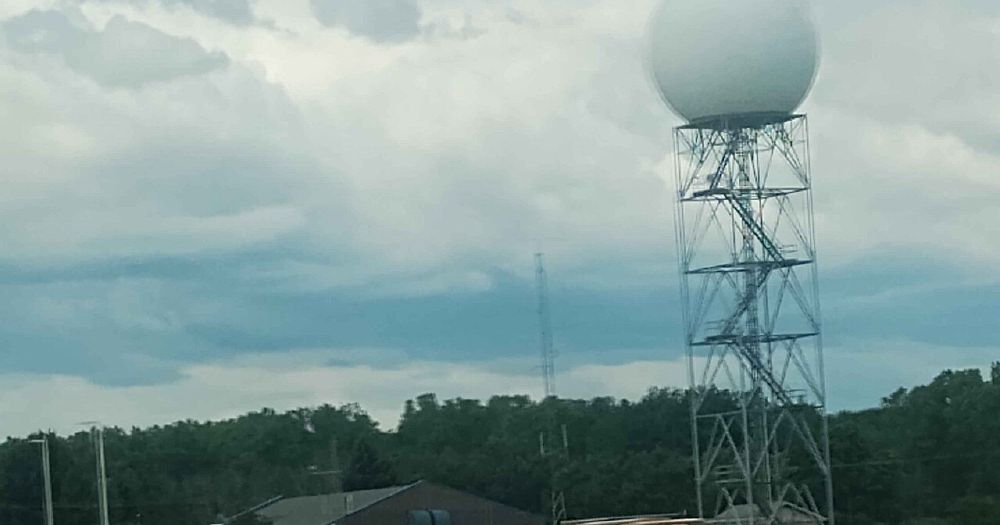
- Check radar, not just forecasts. A forecast for a thirty percent chance of rain can still produce a severe storm. Apps that show live radar give you a much clearer picture.
- Keep a go-bag or basic emergency kit at home with water, a flashlight, a battery bank, and important documents.
- Sign up for local emergency alerts through your county so you receive flash flood warnings directly.
The storms can move through quickly, but acting on early information makes a significant difference in staying safe.
Winter in Austin: Mild Until It Is Not
Most Austin winters are genuinely mild. Many days between December and February sit in the fifties and sixties, and residents routinely eat lunch outside in January. But the city is also vulnerable to what locals call a "blue norther" — a fast-moving cold front that can drop temperatures by thirty or forty degrees in just a few hours. Ice storms, which are rarer but not unheard of, pose a disproportionate risk because the city and its drivers are simply not equipped for them.
The practical lesson from recent winters is to take freeze warnings seriously even when the season has been warm up to that point. When a hard freeze is forecast, wrap or cover outdoor pipes, especially those on exterior walls or in uninsulated spaces. Let a thin trickle of water run from faucets on exterior walls overnight. Bring in plants, pets, and anything else that cannot handle sustained cold.
On the road, treat any ice event as a reason to stay home if at all possible. Austin roads are not regularly treated with the same frequency as cities in colder climates, and even a thin layer of ice on a bridge or overpass can be treacherous. If you must drive, slow down dramatically, increase your following distance, and avoid hills if you can. The few hours of delay are rarely worth the risk.
Cedar Fever Season: What It Is and How to Cope
Cedar fever is not actually a fever caused by cedar trees — it is an allergic reaction to pollen from Ashe juniper trees, which blanket the Hill Country west of Austin. Despite the name, the trees are commonly called mountain cedar locally. The pollen season typically runs from late December through February, making Austin's winter allergy season one of the most intense in the country.
Symptoms can be severe: sneezing, congestion, itchy and watery eyes, fatigue, and a general feeling of being unwell that closely mimics a cold or flu. People who have never had allergies elsewhere sometimes develop cedar fever after moving to Austin, because the pollen counts here can reach extraordinary levels. A "cedar bomb" — a period of especially high pollen release — can turn a clear day into a miserable one very quickly.
Practical management starts with monitoring. Local weather and news outlets report cedar pollen counts daily during the season. On high-count days, keep windows closed and run your HVAC system with a clean filter. Shower and change clothes after spending time outdoors to avoid tracking pollen inside. Over-the-counter antihistamines and nasal corticosteroid sprays help many people manage symptoms; if your symptoms are significantly affecting your daily life, an allergist can offer longer-term solutions including immunotherapy.
Fall: Austin's Best Weather and How to Make the Most of It
Fall — roughly October through November — is widely considered Austin's most livable season, and for good reason. Temperatures drop out of the brutal summer range, humidity eases, and the sky tends to be clear and blue in a way that feels almost like a reward for surviving August. Highs in the seventies and eighties feel genuinely pleasant after months of triple digits.
This is the time to take advantage of everything Austin's outdoor culture has to offer. Hiking, cycling, outdoor dining, and events that would be punishing in summer become genuinely enjoyable. It is also a good time to handle outdoor home maintenance — painting, roof inspections, caulking around windows — before winter cold sets in.
Fall does come with one caveat: the weather can still be variable, and a warm October day can be followed by a cold front that drops temperatures twenty degrees overnight. Layering becomes your best strategy. A light jacket that fits in a bag is a smarter choice than a heavy coat you have to carry around once the afternoon warms up. The shoulder seasons in Austin reward flexibility.
Planning Around Austin Weather: Year-Round Habits That Help
The most useful thing you can do for Austin weather is build a few consistent habits rather than scrambling to respond to each event. Weather awareness in this city is less about memorizing averages and more about staying one step ahead of fast-moving changes.
Keep a basic emergency kit refreshed and accessible — water, non-perishable food, a battery-powered or hand-crank radio, medications, and copies of important documents. Review it at the start of each season. Know where your water shutoff valve is located before a pipe freezes. Have your HVAC system serviced twice a year. Keep your car's gas tank at least half full during winter and storm season so you are not caught short.
Weather apps are genuinely useful tools in Austin, but the best ones show radar rather than just conditions at your exact location. Understanding where a storm is moving, not just whether it is raining now, gives you lead time to make better decisions.
Austin rewards residents who take its weather seriously without becoming anxious about it. The climate is dramatic, but it is also manageable with the right preparation and a realistic sense of what each season actually brings.
Conclusion
Austin's weather is one of the most defining features of life in the city — sometimes beautiful, sometimes punishing, almost always interesting. By understanding the real risks of each season, building practical habits around heat, storms, freezes, and pollen, and staying informed without overreacting, you can move through the year with confidence. The weather here will surprise you occasionally no matter what, but a little preparation goes a long way toward making those surprises manageable.